At every Olympic Games, the Olympic Committee of Kazakhstan takes on the full range of organizational responsibilities: accreditation of athletes, coaches, and specialists; competition participant registration; accommodation for the delegation in the Olympic Village; arranging access to sports venues and training facilities; as well as ongoing coordination with the Games’ services. This extensive administrative and logistical work, which remains out of sight of spectators, allows athletes and coaches to focus on what matters most: demonstrating their skill, character, and will to win.
That was exactly the case at the Milan-Cortina 2026 Olympic Games, which were held not just at different venues, but in several cities across different regions of Italy, requiring particularly precise coordination and logistics from organizers and national delegations. This year, subject to delegation quotas, the delegation accompanying the athletes included 49 specialists, among them doctors and an integrated sports science team. For comparison, 29 specialists accompanied the delegation in PyeongChang 2018, and 44 at the Beijing 2022 Games.
However, even the complex geography of the competition did not prevent Kazakhstani athletes from performing successfully and making all Kazakhstanis proud.
At the Milan-Cortina 2026 Olympic Games, Team Kazakhstan performed quite successfully, delivering solid results amid intense world-class competition. For a number of athletes, these Games were their first Olympic experience, an important stage in their athletic careers, and an opportunity to make their mark on the world stage.
The Games’ main achievement was Mikhail Shaidorov’s historic victory, as he won the gold medal in figure skating and etched his name in the history of Kazakhstani sports. This victory brought Kazakhstan its second gold medal in the country’s history at the Winter Olympic Games. In addition, several Kazakhstani athletes ranked among the Olympics’ best, finishing in the top 10 in their disciplines:
Ilya Mizernykh — 8th place (ski jumping, large hill)
Nadezhda Morozova — 6th place (speed skating, 3,000 m)
Nadezhda Morozova — 9th place (5,000 m)
Elizaveta Golubeva — 7th place (speed skating, 1,500 m)
Elizaveta Golubeva — 10th place (3,000 m)
Yevgeny Koshkin — 9th place (speed skating, 500 m)
Denis Nikisha — 7th place (short track speed skating, 500 m)
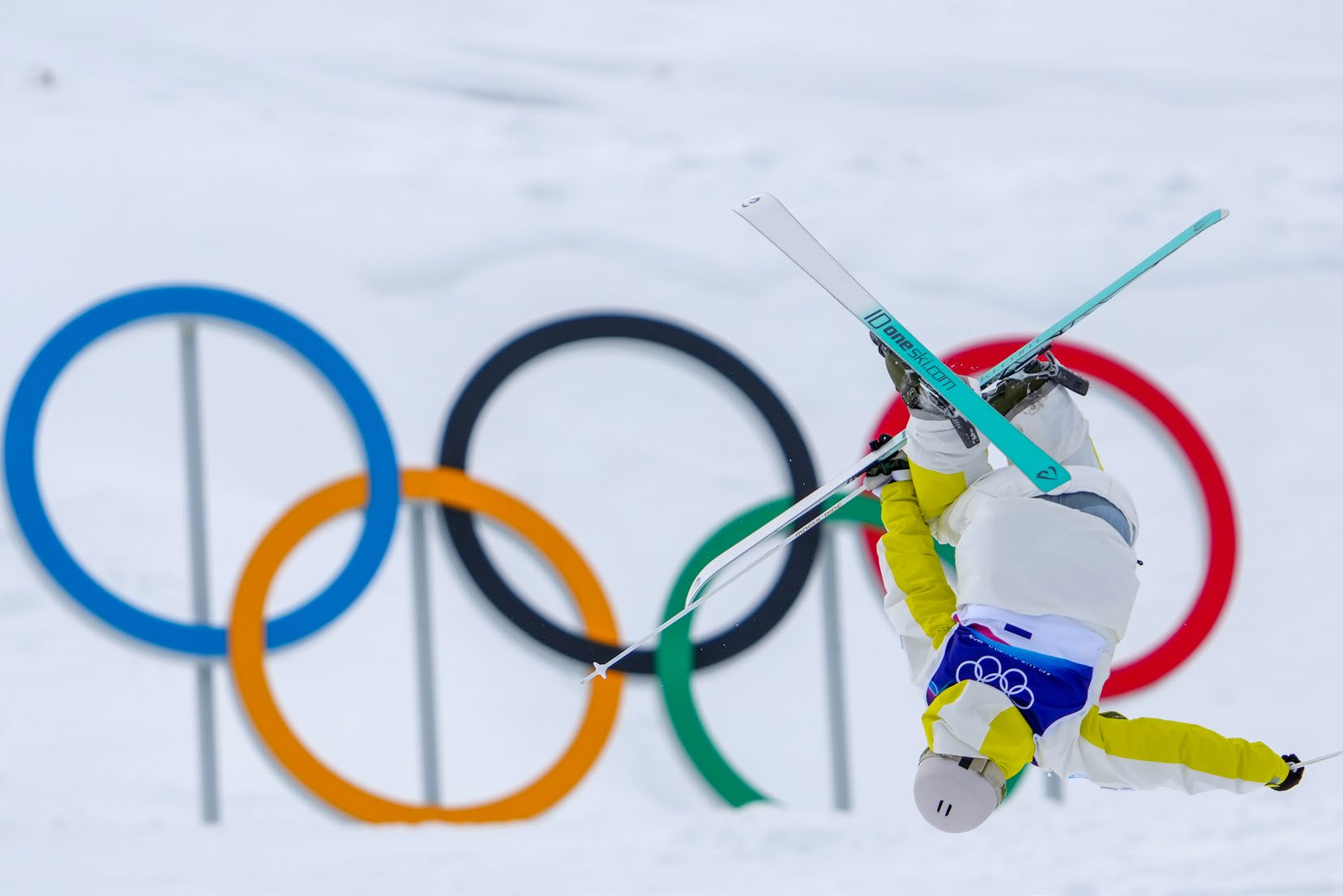
Anastasiya Gorodko — 8th place (freestyle skiing, dual moguls)
Pavel Kolmakov — 9th place (freestyle skiing, dual moguls)
Sofya Samodelkina — 10th place (figure skating)
Kazakhstani teams also delivered solid results:
speed skaters Nadezhda Morozova, Elizaveta Golubeva, and Arina Ilyashchenko — 8th place
aerials athletes Asylkhan Asan, Roman Ivanov, and Ayana Zholdas — 7th place.
One athlete steps onto the podium, but behind that moment of triumph are years of work by dozens of people. Coaches, doctors, specialists, administrators—the entire team working day after day for that single moment when the flag is raised and the anthem is played. That is why every Olympic victory is always more than a personal success. It is a team victory, a victory for the country, and the result of an enormous collective effort